
Complete Guide to Men's Nutrition
Discover the science-backed principles of healthy eating tailored for men's health, energy, and vitality
Why Nutrition Matters for Men
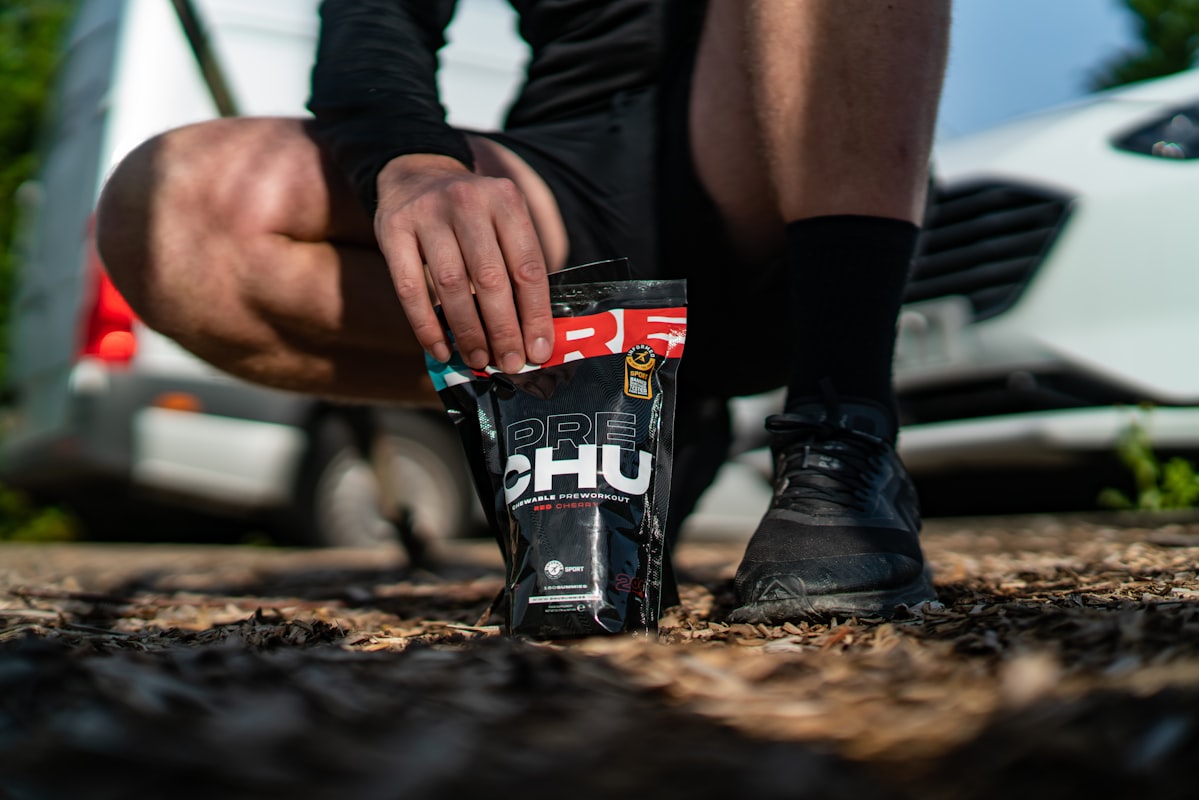
Men's bodies have unique nutritional demands. From supporting muscle development and bone density to maintaining energy levels and cardiovascular health, the right nutrition forms the foundation of a healthy lifestyle. A balanced diet rich in essential nutrients helps men achieve peak physical performance and long-term wellness.
Whether you're focused on building strength, improving endurance, or simply maintaining optimal health, understanding your nutritional needs is the first step toward achieving your goals. Men often overlook the importance of consistent, thoughtful eating habits—but these habits compound into significant health benefits over time.
- Sustained Energy: Proper nutrition fuels daily activities and workouts
- Muscle Support: Adequate protein and micronutrients support lean muscle development
- Heart Health: Balanced diet reduces cardiovascular risk factors
- Mental Clarity: Nutrients support focus, mood, and cognitive performance
Essential Nutrients Breakdown
Protein
Essential for muscle repair, growth, and maintenance. Men should aim for 1.6–2.2 grams per kilogram of body weight daily, especially if active. Quality sources include lean meats, fish, eggs, legumes, and dairy.
- Daily target: 50–150g depending on weight and activity
- Best sources: Chicken, salmon, Greek yogurt, beans
- Benefits: Recovery, strength, metabolism boost
Complex Carbohydrates
Provide sustained energy for workouts and daily activities. Choose whole grains, oats, brown rice, and sweet potatoes over refined sugars. Complex carbs support stable blood sugar and improved athletic performance.
- Daily target: 45–65% of total daily calories
- Best sources: Oats, whole wheat, quinoa, vegetables
- Benefits: Sustained energy, improved workouts, digestive health
Healthy Fats
Critical for hormone production, brain health, and nutrient absorption. Focus on unsaturated fats from avocados, nuts, seeds, and fatty fish while limiting saturated fats and trans fats.
- Daily target: 20–35% of total daily calories
- Best sources: Olive oil, salmon, almonds, avocado
- Benefits: Heart health, hormone balance, inflammation control
Vitamins & Minerals
Support immune function, energy metabolism, and overall health. Men often lack adequate levels of magnesium, zinc, and B vitamins. A varied diet with colourful vegetables and fortified foods helps meet these needs.
- Key nutrients: Zinc, magnesium, vitamin D, B-complex
- Best sources: Leafy greens, nuts, seeds, fortified cereals
- Benefits: Immune support, energy, bone strength
Hydration
Water is essential for every bodily function—from muscle recovery to cognitive performance. Men typically need 3.7 litres of total water daily, with more required during exercise or in hot climates.
- Daily target: 8–10 glasses or more if active
- Best sources: Water, herbal tea, water-rich foods
- Benefits: Recovery, mental clarity, thermoregulation
Antioxidants & Phytochemicals
Plant compounds that fight oxidative stress and support long-term health. Found abundantly in berries, dark leafy greens, and colourful vegetables, these nutrients protect cells and reduce inflammation naturally.
- Key sources: Blueberries, spinach, broccoli, carrots
- Daily target: 5+ servings of fruits and vegetables
- Benefits: Anti-inflammatory, cellular protection, longevity
Building a Balanced Daily Nutrition Plan
Assess Your Goals
Start by identifying your primary objective—whether it's building muscle, losing weight, improving athletic performance, or simply maintaining overall wellness. Your goal determines your macronutrient distribution and daily calorie requirements.
Calculate Your Calorie Needs
Use your age, weight, height, and activity level to estimate daily calorie requirements. A sedentary man needs fewer calories than an active one. Online calculators based on the Mifflin-St Jeor equation provide accurate estimates.
Set Macro Ratios
Distribute calories across protein (30%), carbohydrates (45%), and fat (25%) as a solid baseline. Adjust based on your goals—athletes may increase protein to 35–40%, while those prioritising fat loss might reduce carbs slightly.
Choose Quality Whole Foods
Build meals around whole foods—lean proteins, whole grains, fresh vegetables, fruits, legumes, and healthy fats. These provide sustained nutrition, better satiety, and superior health outcomes compared to processed alternatives.

Nutrition by Life Stage
Young Adults (20–35)
This is an optimal window for building muscle and establishing healthy habits. Focus on adequate protein intake, strength training nutrition, and consistent whole-food choices. Energy expenditure is typically highest during these years.
- Focus: Muscle building, athletic performance
- Protein: 1.8–2.2g per kg body weight
- Approach: Consistent training + adequate nutrition
Middle-Aged Men (35–55)
Metabolism naturally slows, making meal quality even more important. Prioritise nutrient density, maintain muscle through resistance training, and support joint and cardiovascular health with anti-inflammatory foods.
- Focus: Metabolic health, disease prevention
- Key nutrients: Omega-3s, antioxidants, magnesium
- Approach: Quality over quantity, consistent movement
Older Adults (55+)
Sarcopenia (muscle loss) accelerates with age, making protein and strength training essential. Increase nutrient density to compensate for slightly lower calorie needs. Focus on bone health, cognitive function, and independence.
- Focus: Muscle retention, bone density, longevity
- Protein: 1.2–1.6g per kg body weight minimum
- Key: Resistance training + nutrient-dense foods
Common Nutrition Questions
How much protein do I really need?
The recommended dietary allowance (RDA) is 0.8g per kilogram of body weight for sedentary men. However, for those exercising regularly or aiming to build muscle, 1.6–2.2g per kilogram is more appropriate. For example, an 80kg active man should aim for 130–175g daily. The best approach is spreading protein across meals (25–30g per meal) to optimise muscle synthesis.
Should I count calories?
Calorie awareness helps, especially when pursuing specific goals like weight loss or muscle gain. However, not everyone needs to obsessively count. Focus instead on eating whole foods, controlling portions, and listening to hunger cues. Track for 1–2 weeks to understand your baseline, then use intuition and results to adjust. Quality of calories matters as much as quantity.
Is timing of meals important?
While meal timing has some effect on performance and recovery, overall daily nutrition matters far more. Eating protein within 2 hours post-workout optimises recovery, but eating it at breakfast, lunch, or dinner is equally beneficial for daily muscle synthesis. Focus first on total daily intake, then refine timing if your schedule allows.
What about supplements?
Whole foods should form the foundation of your nutrition. Supplements complement, never replace, a balanced diet. Whey protein powder, creatine, and multivitamins can be helpful if you have gaps, but first ensure you're eating enough whole foods. Consult educational resources or healthcare professionals before using any new supplement.
How do I handle cravings and treats?
Balance is key to sustainable nutrition. The 80/20 rule—eating nutritious foods 80% of the time and allowing treats 20%—works well for most men. This approach prevents deprivation, supports social eating, and is psychologically sustainable. Plan indulgences intentionally rather than eating impulsively, and pair treats with activity to maintain overall balance.
How do I adjust nutrition for different goals?
For muscle building, maintain a slight calorie surplus (200–300 calories above maintenance) with 30% protein, 45% carbs, and 25% fat. For fat loss, create a moderate deficit (300–500 calories below maintenance) while keeping protein high to preserve muscle. For athletic performance, emphasise carbohydrates before/after training. Start with a baseline, track progress, and adjust monthly based on results.
Key Nutrients for Men's Health Support
Zinc
Critical for immune function, wound healing, and protein synthesis. Men often fall short of the 11mg daily requirement. Oysters, beef, chickpeas, and pumpkin seeds are excellent sources. Deficiency can reduce energy and compromise recovery.
- Best sources: Oysters, beef, cashews, chickpeas
- Daily need: 11mg for adult men
Vitamin D
Regulates calcium absorption, supports immune function, and influences mood and energy. The UK's reduced sun exposure means most men need supplementation or fortified foods. Aim for 10–25 mcg (400–1000 IU) daily, higher in winter months.
- Best sources: Fatty fish, egg yolks, fortified milk, sunlight
- Daily need: 10–25 mcg year-round
Magnesium
Supports muscle function, energy production, and stress resilience. Men require 400–420mg daily, but many consume far less. Leafy greens, nuts, seeds, and whole grains are excellent sources. Deficiency contributes to cramping and poor sleep.
- Best sources: Spinach, almonds, pumpkin seeds, dark chocolate
- Daily need: 400–420mg for adult men
B Vitamins
The B-complex supports energy metabolism, nerve function, and muscle recovery. B12 in particular is often low in plant-based diets. Meat, fish, eggs, and fortified cereals provide excellent levels. These are water-soluble, so daily intake is necessary.
- Best sources: Chicken, salmon, eggs, fortified cereals
- Key players: B6, B12, folate for energy and recovery
Omega-3 Fatty Acids
Reduce inflammation, support cardiovascular health, and promote cognitive function. EPA and DHA from fatty fish are most bioavailable. Aim for 250–500mg combined daily, or 1–2 servings of fatty fish weekly. Vegetarian sources (flaxseeds, walnuts) provide ALA, a precursor.
- Best sources: Salmon, mackerel, sardines, ground flaxseeds
- Target: 250–500mg EPA+DHA daily